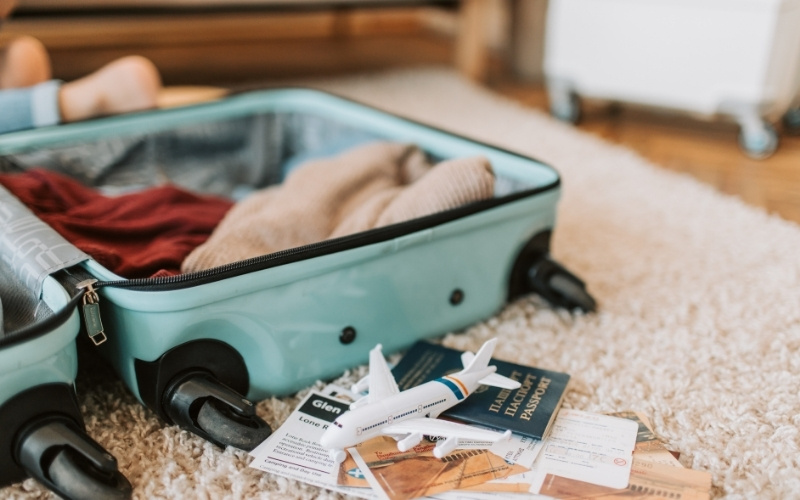
The vacation is over. The sun-kissed glow is fading, the sand is officially out of your shoes, and you’re surrounded by a mountain of laundry. But wait! Before you dive back into reality, there’s one last, crucial mission to complete: the post-vacation bed bug decontamination.
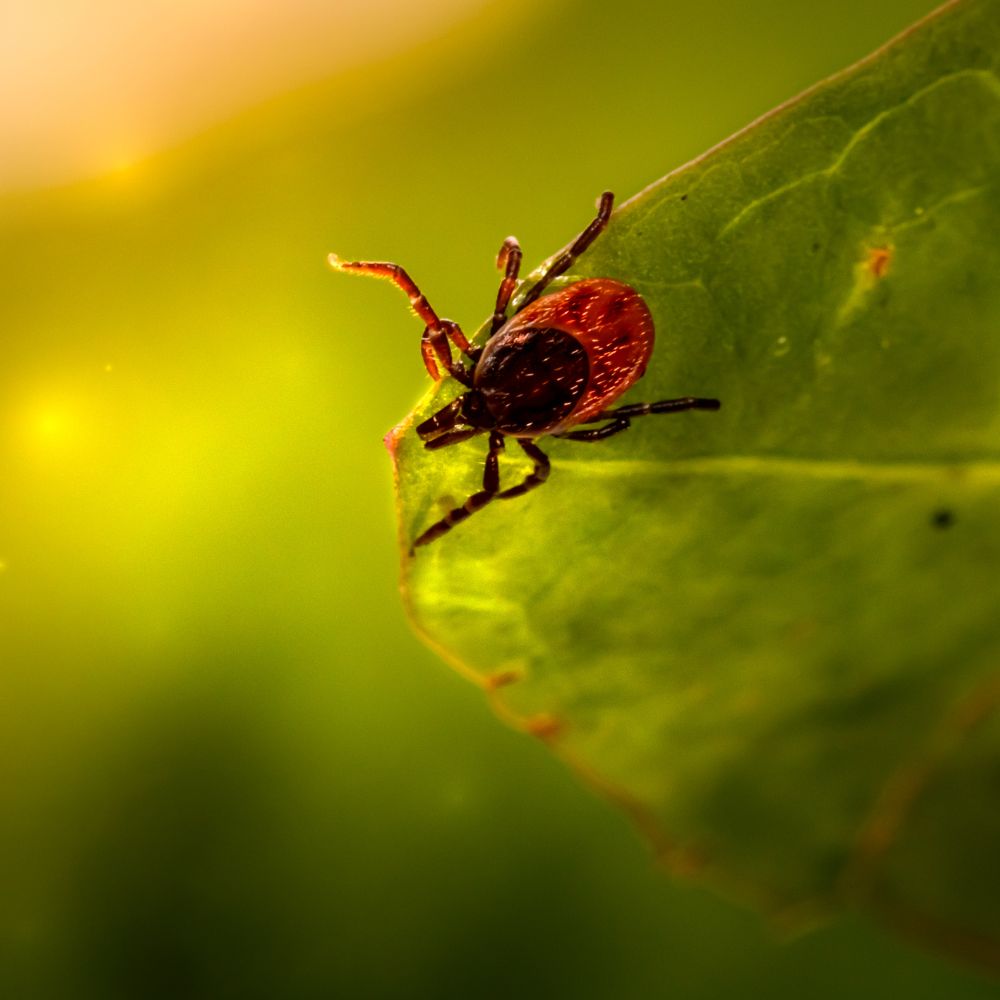
Think of it as your final boss battle. You see, while you were busy making memories, a tiny, eight-legged villain might have been plotting its grand escape from the hotel room, hitching a ride in your luggage. They’re masters of the surprise reunion.
But don’t you worry, we’ve got a tactical plan to make sure your only souvenir is a good memory. Let’s dive in.
3-Step Plan to Prevent Unwanted Bedbug Memories
Step 1: The “Laundry Gauntlet” 🧺
First things first, your clothes. Every single piece of fabric that came with you—clean or dirty—is a potential hiding spot. Don’t even think about putting it in your hamper. It’s time for the Laundry Gauntlet.
Clothes: Take everything straight from your suitcase and throw it into the washing machine. Wash on the hottest setting your clothes can handle.
The Heat Blast: After the wash, transfer everything to the dryer and run it on high heat for at least 30 minutes. The extreme temperature is the single most effective way to kill any bed bugs and their eggs. This is your final, glorious blow.
Step 2: The “Luggage Lockdown” 🔒
Your suitcase is a VIP transport vehicle for these tiny pests. Now that it’s back home, it’s a potential Trojan horse.
The Hot Shower: Take a vacuum with a hose attachment and give your suitcase a thorough vacuuming, paying close attention to all the seams, zippers, and pockets. Immediately empty the contents of the vacuum bag into a sealed trash bag and take it outside.
You’ve completed the gauntlet and locked down the luggage. Now for the final sweep. It’s time to bring in the big guns for ultimate peace of mind. A single, diligent application of your favorite bed bug spray is the ultimate insurance policy.
This is where your very own BLITZ bed bug spray becomes the hero of the hour. A quick spritz around the floorboards where your suitcase sat and along the seams of your mattress will provide a powerful and long-lasting barrier.
This easy extra step ensures no tiny monsters survived the gauntlet to start a new life in your bed.
Congratulations, you’ve successfully returned from vacation with nothing but good memories! Now go take a nap—you’ve earned it.
The physical itch of a bed bug bite is just the beginning. For many, a bed bug infestation triggers a hidden battle—a silent struggle against anxiety, shame, and a feeling of violation.
The emotional toll of an infestation can be as severe, if not more so, than the physical discomfort itself.
Beyond the Bite: the Psychological Effects of Bed Bug Infestations
This article goes beyond the bite to explore the significant psychological, social, and emotional challenges that a bed bug infestation can create, and offers practical advice on how to get through it.
Compounded Mental Health Issues: Anxiety, Insomnia, and Hyper-vigilance
The presence of bed bugs can turn your most private sanctuary—your bed—into a source of dread. This constant state of unease can lead to a host of psychological issues:
Sleep Deprivation and Insomnia: The thought of being bitten while you sleep can make it nearly impossible to relax and fall asleep. This can lead to severe sleep deprivation, which impacts every aspect of your life, from mood and concentration to overall health.
Anxiety and Stress: The infestation creates a persistent, low-level anxiety. You might find yourself constantly checking for bugs, imagining phantom crawling sensations, or feeling a general sense of panic. This stress is relentless, as the threat is in your own home.
Hyper-vigilance: You may become overly vigilant, inspecting every fold of your sheets and every seam of your furniture. This constant state of alert can be exhausting and difficult to turn off, even after the infestation is gone.
The Social Stigma and Shame of Visible Bites
Bed bugs have long been associated with unsanitary conditions, despite the fact that they are hitchhikers that can be found anywhere. This misconception leads to a powerful social stigma.
Embarrassment and Secrecy: Many people feel a deep sense of shame and embarrassment, fearing that an infestation implies their home is dirty. This can lead to secrecy and social isolation, as they may be afraid to have friends or family over, or even to tell anyone what’s happening.
Fear of Spreading: There’s a constant fear that you might accidentally spread the bugs to a loved one’s home, or that you might be blamed for an infestation at work or school. This adds another layer of stress and can make you feel like a social pariah.
Fear of Being Cast Out: Many people are afraid to be accused of having bed bugs by a relationship partner, for fear of a breakup. Many others do not want the word to get out and find their dating pool dry up seemingly overnight.
Socioeconomic Aspects: The Uneven Burden
While anyone can get bed bugs, the burden of dealing with an infestation often falls heaviest on those with fewer resources.
Financial Strain: Professional bed bug treatment is expensive. For individuals and families on a tight budget, the cost can be prohibitive, forcing them to live with the problem and its emotional consequences for far longer than necessary.
Lack of Control in Rental Housing: Renters, especially in multi-unit buildings, can feel a significant lack of control. A neighboring apartment can be a constant source of re-infestation, making their own efforts feel futile and prolonging the emotional distress.
Coping and Moving Forward
It’s crucial to remember that a bed bug infestation is not a personal failing. It is a problem to be solved, and you are not alone. Here are some strategies for coping:
Seek Professional Help: The first and most important step is to call a professional pest control service. While it may be expensive, it is often the quickest path to resolution and a huge step toward regaining a sense of control.
Break the Silence: Talk to a trusted friend or family member. You might be surprised to find that others have gone through a similar experience. Sharing what you’re going through mentally through can significantly reduce the feelings of shame and isolation.
Establish a “Safe Space”: While you are treating your home, try to designate a part of your living space that you have thoroughly checked and sealed off. This can be a small area where you can relax without the constant fear of being bitten.
Practice Self-Care: The stress and anxiety are real. Make an effort to prioritize your mental health. This could mean taking a walk, listening to music, or practicing mindfulness—whatever helps you find moments of calm in a chaotic situation.
An infestation is a difficult journey, but it is not a permanent one. By addressing both the physical and psychological aspects head-on, you can navigate this challenge and restore your peace of mind.
If you need more help learning how to overcome a bed bug infestation or looking for a reliable, natural and effective bed bug killer, head on over to our homepage and get help today.
Getting enough sleep is absolutely vital for maintaining the body’s natural cycles and promoting overall well-being. Sleep plays a decisive role in restoring the body’s balance, known as homeostasis.
What Happens During Sleep
During sleep, our body diligently repairs itself, and essential processes take place, including the release of growth hormones and the replenishment of energy levels. This restoration is critical for optimal healing; without sufficient rest, our immune system is compromised, leaving us more vulnerable to illness.
Also, getting enough sleep is one of the core components for feeling good overall. When we sleep, our brains work on sorting out memories, taking in information, and taking care of essential tasks. If you’re well-rested, you’re likely to feel happier, less stressed, and sharper mentally, which can lead to better mental health.
“…and Flights of Angels Sing Thee to Thy Rest”
Getting enough sleep is essential for keeping things in balance, helping us heal and feel good, and improving how we perform in our everyday lives. If we make sleep a priority and get the right amount of rest, we can really boost our health, productivity, and relationships.
Making some time for good sleep habits isn’t just a nice-to-have; it’s something everyone needs to do if they want to really thrive in their personal and work lives.
But if you’re missing out on sleep regularly, it can cause a bunch of health problems like obesity, diabetes, heart disease, and even mental health issues like anxiety and depression.
Sleep gives us the chance to think smarter, come up with cool ideas, and respond quickly to whatever life throws at us. Plus, when you’re well-rested, you’re better at reading others, handling social situations, and communicating with people.
But did you know that sleep also aids in dieting and weight management?
Video: the Vital Role of Sleep in Weight Management
Traveling can be one of life’s greatest joys, but it also comes with its own set of challenges, especially when it comes to unexpected guests like bed bugs.
Yep, those tiny critters can hitch a ride back home with us after a wonderful trip, becoming unwanted housemates.
So, let’s explore some travel tips to decrease your exposure to these pesky pests and ensure a bug-free homecoming!
Bedbug-Free Travel Checklist
Before you even head out the door, it’s essential to be proactive in preventing a bed bug invasion. Start by researching your destination. Many travelers share their experiences online, including bed bug encounters at hotels or vacation rentals.
Sites like TripAdvisor and specialized forums can provide valuable insights. Once you’re aware of potential risks, you can make informed choices about where to stay.
Seal Up Your Stuff in Zip Loc Bags When Packing Your Travel Bag
When packing, consider using a hard-shell suitcase and packing everything inside sealed ziplock bags. This method adds an extra layer of protection against pests that might be lurking in hotel rooms.
Furthermore, a good habit is to also check your belongings before leaving home to ensure you’re not bringing anything back that you didn’t take with you.
Upon Arrival and Hotel Check-In: Do a Quick Bed Bug Inspection in Your Room
After you check into your accommodation, it’s time to conduct a thorough inspection. It may feel a bit silly, but a few minutes of checking can save you a world of trouble!
Keep your luggage off the floor and away from any upholstered furniture. Use the luggage rack if available or, if not, place your suitcase in the bathtub—bed bugs are less likely to be found there.
While you’re out exploring, always be mindful of your belongings. Keep your luggage zipped up and avoid leaving clothes or other items lying around. If you’ve been sitting on public transport or waiting in crowded areas, give your clothes a quick shake before entering your accommodation and hang them up separately from the rest of your luggage when you return to your room.
While these are the best practices for bed bugs when you travel, you’ll still need to be extra diligent when it’s time to go home.
The Return Home: Final Checks for Unwanted Guests and Pests
Once your adventure comes to an end, don’t let your guard down! Before you bring your suitcase indoors, inspect it again. If possible, store your luggage in an isolated area like the garage or outside until you’re ready to unpack.
In conclusion, while traveling can expose us to bed bugs, being proactive and careful can significantly reduce the chances of bringing these pests home.
From packing smartly to conducting thorough checks upon arrival and after our trip, simple precautions can save a lot of trouble down the road.
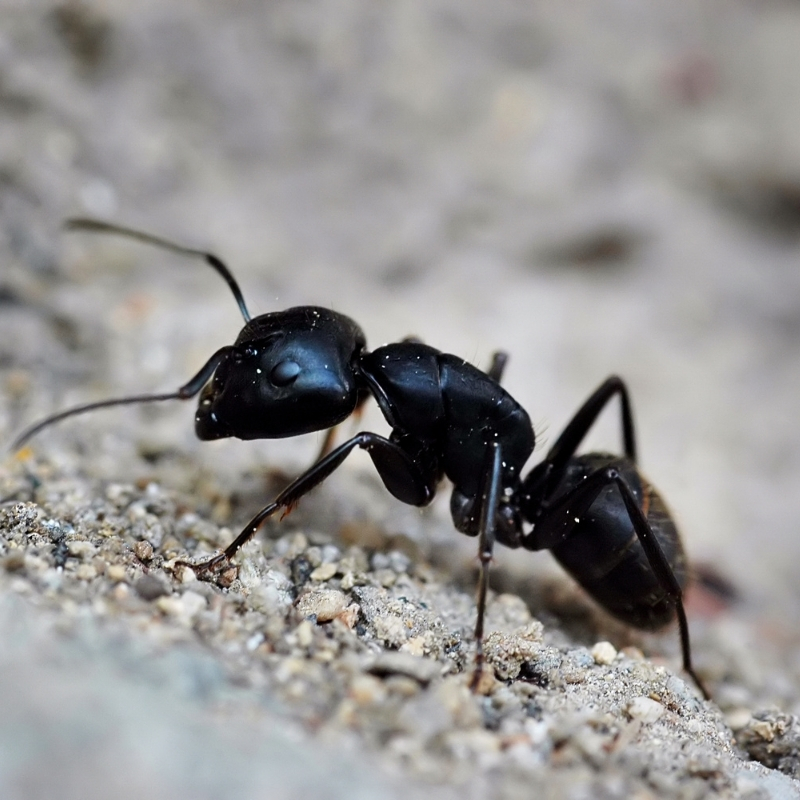
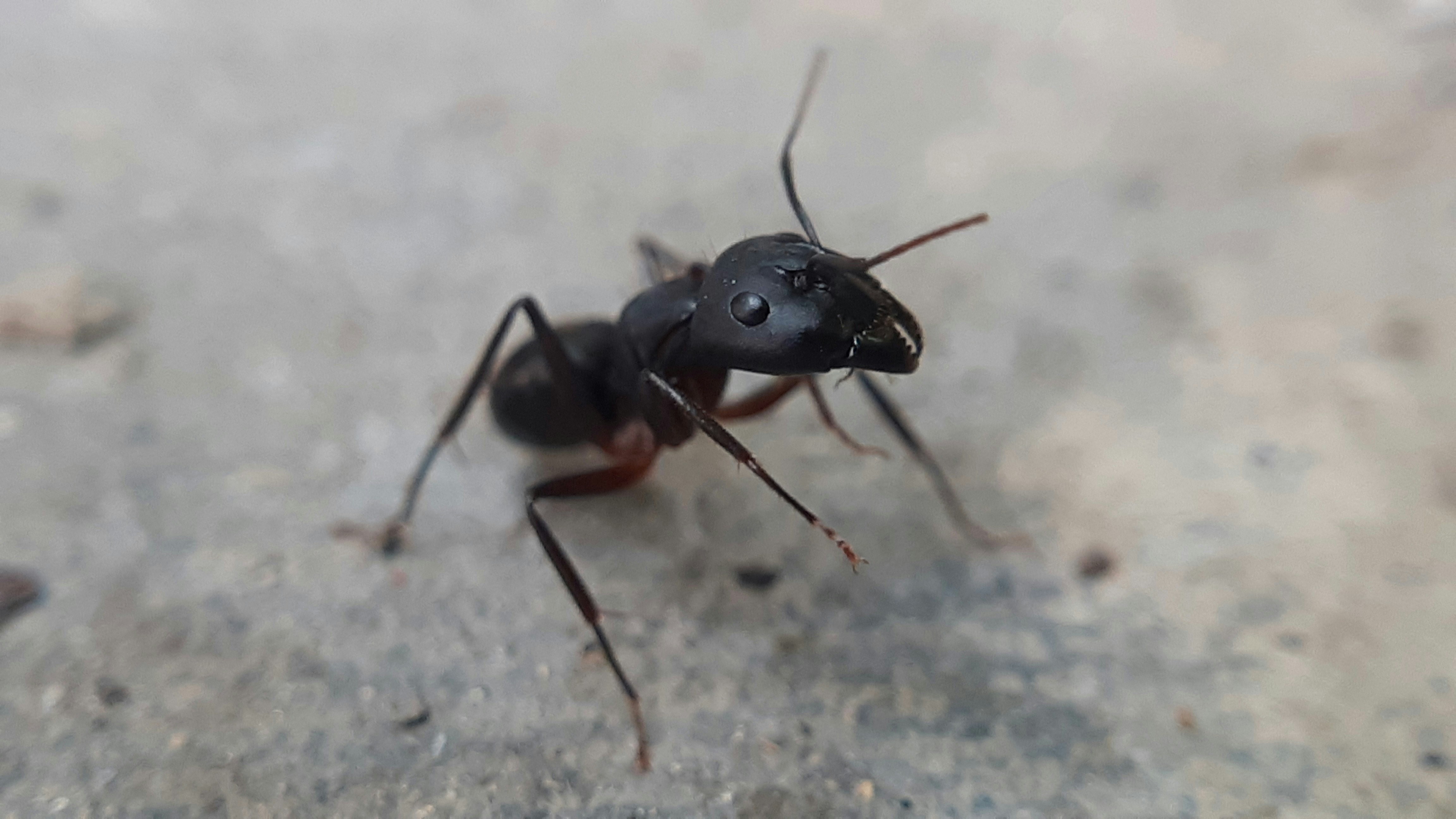
This summer, many individuals will encounter a range of ant species, each with distinct characteristics and behaviors. The most common types include the carpenter ant, fire ant, and odorous house ant. Recognizing these species is the first step in preventing an invasion in your home or camp.
Unlike bed bugs, ants aren’t looking specifically to bite you, but bite you nonetheless they shall if the circumstances are right. Because they are fearless explorers, it doesn’t take much for a long line of ants to deem your body as an acceptable land bridge for getting to another destination.
Upon feeling the sensation and moving or squirming, you are bound to trigger the bites of several angry ants. This is why it’s best to avoid them to begin with. Let’s take a closer look.
Ants You Can Expect to See This Summer
Carpenter ants are notorious for their ability to cause structural damage to wooden structures. They build their nests in moist or decaying wood, which makes them a considerable concern for homeowners.
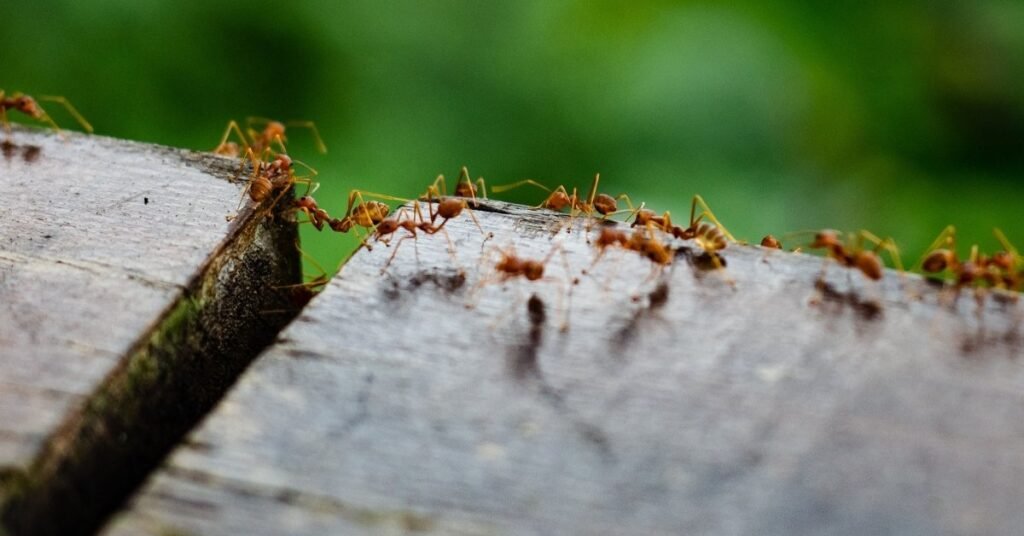
Fire ants, on the other hand, are aggressive and have a painful sting, making encounters with them particularly unpleasant. They usually live in mounds or nests that protrude from the ground.
Indoor house ants are small and often go unnoticed until they establish a significant presence. They may hide behind the walls or in the ground under your home, making it more difficult to determine their exact position.
Pavement ants are the typical small ants you find on the ground and around the house outside.
The Solution to Summer Ants
The best solution is prevention when it comes to unwelcome guests and aggravating ant infestations. If it’s just a few ants or a trail of ants in your home from time to time exploring for food, you can eliminate them relatively easily.
Big infestations, however, will often call for more drastic measures. Many people will involuntarily become experts themselves by the time they’ve finally learned how to get rid of invasive ants.
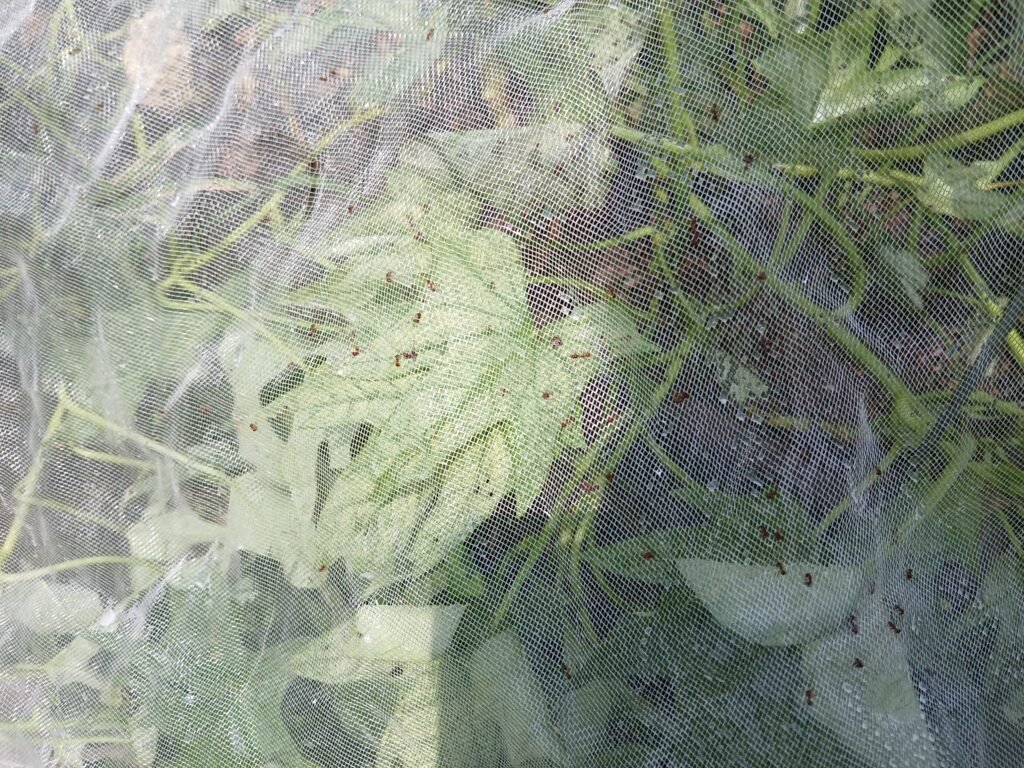
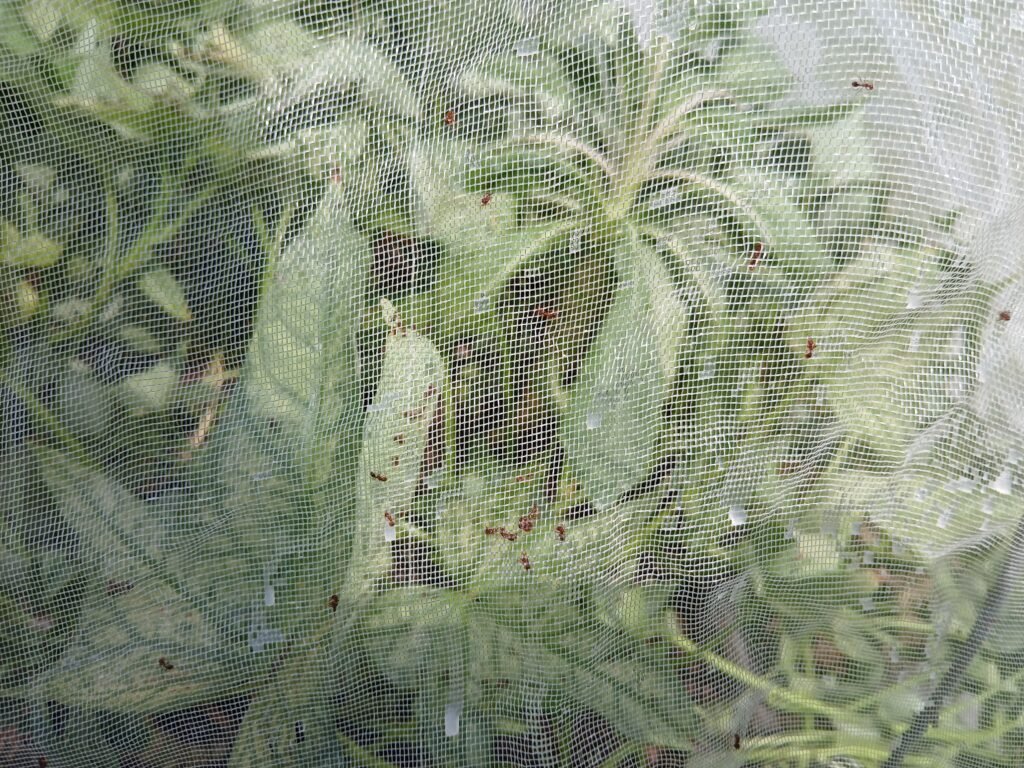
Video of Natural Bed Bug Spray Stopping Ants in a Garden
Here’s a few photos of Defensive End! BLITZ used on ants that were climbing and swarming the insect netting that covers a raised bed garden. 10 minutes later and the only thing they’re pushing up is daisies.
Different Ant Bites Are Different Too
Ants both bite and sting, believe it or not.
The fire ant uses its mandibles to bite into and hold onto its target, then injects venom from a stinger located at the base of its abdomen. They’re so small you don’t notice usually unless the performance is viewed under a magnified lens.
Fire ant venom is unique among ants because its primary component is not a protein-based toxin but a class of alkaloids called solenopsins. This fundamental chemical difference is responsible for the distinct burning sensation and the characteristic pustule that forms after a sting.
The venom of most other ant species, such as the bullet ant, is primarily made of protein toxins and peptides. For example, the bullet ant’s venom contains a neurotoxin peptide called poneratoxin, which causes intense and long-lasting pain by acting on the nervous system. While other ants also contain some alkaloids, they are not the main component.
Effects on the Body
The difference in chemical makeup leads to very different reactions in a person who is bit or stung.
Fire Ant Stings: The solenopsins cause immediate, localized pain and a “fiery” sensation. The venom’s cell-killing properties lead to the signature white pustule. In rare cases, some people can have a severe allergic reaction (anaphylaxis) to the trace amounts of protein allergens in the venom.
Other Ant Stings: The protein-based venoms of other ants often cause intense, sharp, and sometimes long-lasting pain due to their neurotoxic effects. They typically do not cause the same type of pustule that fire ant stings do, though they can result in swelling and redness.
Effective Ant Prevention Strategies
The way in which you deal with ants may differ by location. For instance, you might have one approach for removing ants in your garden versus eliminating a few that sneak into your kitchen at night through your cupboard.
To prevent an ant invasion, it is crucial to maintain a clean living environment both indoors and outdoors. Here are several strategies to help you deter these pests:
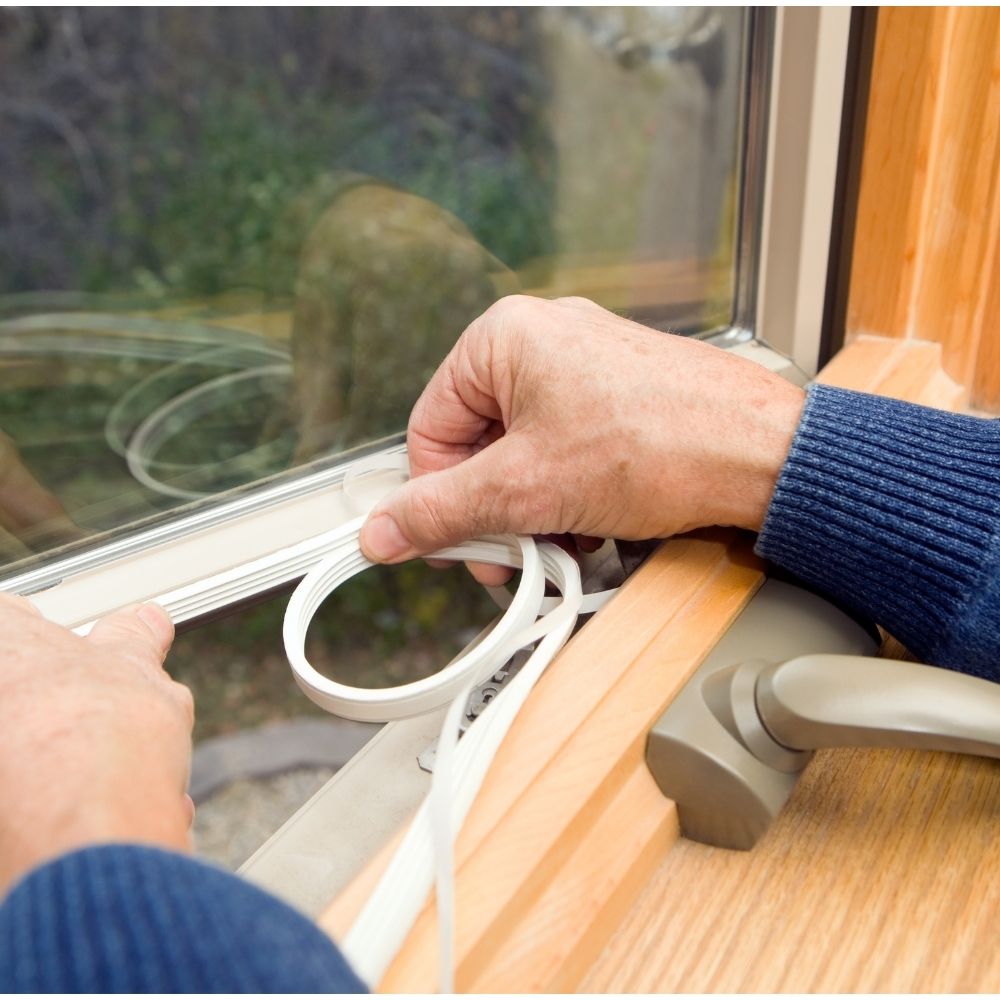
Seal Entry Points: Inspect your home for cracks or openings in walls, foundations, and around windows or doors. Sealing these entry points will help keep ants from entering your living space.
Eliminate Food Sources: Ants are attracted to food. Ensure all food items are stored in airtight containers, and promptly clean up any spills or crumbs.
Manage Outdoor Conditions: Keep your outdoor spaces tidy. Trim back any vegetation near the home and manage moisture around foundations to discourage ants from nesting nearby.
Utilize Natural Deterrents: Consider using natural repellents like diatomaceous earth, vinegar, or essential oils which may disrupt ant trails and discourage them from returning.
By taking these preventive measures, you can significantly reduce the likelihood of encountering unwelcome ant guests this summer. Awareness and proactive strategies will help you enjoy the great outdoors or the comforts of home without the worry of pest invasions.
Pyrethrins are natural insecticides derived from the flowers of the chrysanthemum plant. They are widely used in pest control due to their effectiveness against various insects, including mosquitoes, flies, and agricultural pests.
However, while pyrethrins are often praised for their rapid action and relatively low toxicity to humans and pets, it is vital to consider both their advantages and potential drawbacks. This blog post aims to provide a fair and balanced take on the safety of pyrethrins for pest control applications.
Uses and Benefits of Pyrethrins
One of the most significant benefits of pyrethrins is their fast-acting nature. When applied, they rapidly disrupt the nervous systems of insects, leading to quick paralysis and death. This makes them a favorable option for those seeking immediate results in controlling pest populations.
Moreover, due to their natural origins, pyrethrins are often favored in organic farming practices, aligning with the increasing consumer demand for environmentally friendly pest control solutions.
Another advantage is that pyrethrins typically have lower toxicity levels for humans and pets compared to synthetic insecticides. When used according to label directions, pyrethrins pose minimal risks to non-target organisms. Additionally, they break down quickly in the environment, reducing the likelihood of long-term ecological impact.
Risks and Negative Side Effects of Pyrethrin
Despite the numerous benefits, there are valid concerns regarding the use of pyrethrins. One significant issue is their potential impact on beneficial insects, such as pollinators. Although pyrethrins may target specific pests, they can inadvertently harm bees and other non-target species, disrupting ecosystems and agricultural productivity.
Furthermore, overreliance on pyrethrins can lead to resistance among pest populations. Insects adapted to survive pyrethrin exposure may proliferate more quickly, resulting in a cycle where higher concentrations are needed for effective control. This could ultimately lead pest control practitioners to revert to more harmful synthetic insecticides.
Additionally, some individuals may experience allergic reactions to pyrethrins when exposed to treated areas. Symptoms can range from skin irritations to respiratory issues, making it essential for applicators and bystanders to take appropriate precautions during treatment.
Symptoms of Pyrethrin Poisoning
On a side note, we purposefully avoided pyrethrin as an ingredient when formulating Defensive End! BLITZ for these reasons, especially the potential negative effect on pollinators and skin irritation with users.
Conclusion: A Balanced View on Pyrethrin Use
In conclusion, while pyrethrins offer several benefits as a natural insecticide, it is crucial to approach their use with careful consideration of potential pyrethrin risks. Their rapid effectiveness and lower toxicity make them appealing for pest control, but awareness of their impact on beneficial insects and the risk of pest resistance is necessary.
Ultimately, when implemented responsibly and judiciously, pyrethrins can be part of an effective integrated pest management strategy that balances human safety with environmental health.
Waking up with a mysterious new itch is a frustrating experience. Was it a mosquito? A spider? Or, is it something more sinister—like a bed bug?
Identifying the culprit behind your bites can be tough, as many insect reactions look and feel similar. However, by paying close attention to the details of the bites and the context in which they appear, you can become a better detective.
What Just Bit Me?
Here’s a guide to help you distinguish between the most common bites and figure out what’s really going on.
Bed Bug Bites: The Stealthy Sucker
Bed bugs are masters of stealth, often leaving their mark while you’re fast asleep.
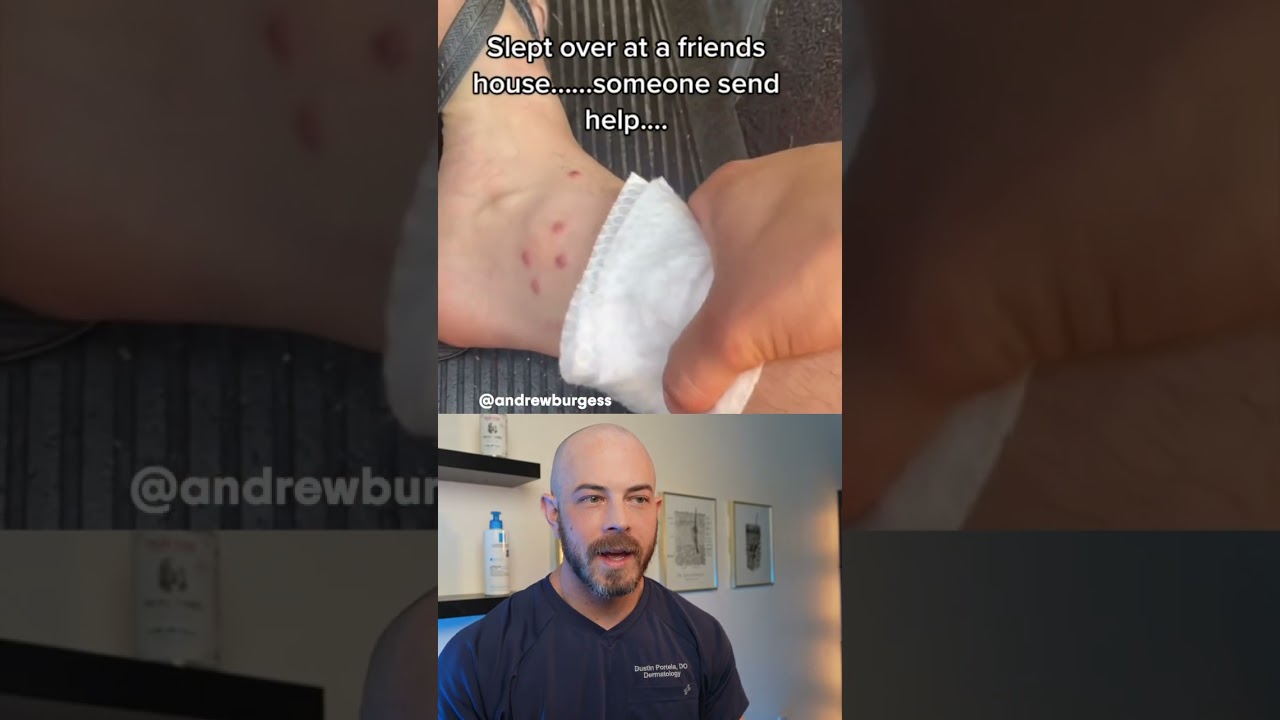
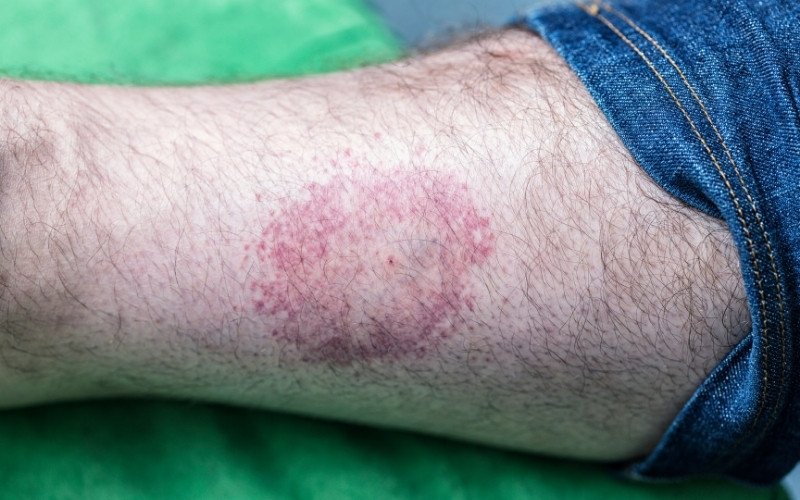
Appearance: Small, red, itchy welts that often appear in a linear or zigzag pattern. This “breakfast, lunch, and dinner” pattern is one of the biggest clues.
Location: Typically found on exposed skin, such as your arms, neck, face, and hands.
Symptoms: The bites themselves are often painless at first, but they develop into an intensely itchy rash over a day or two.
Context: Check your bedding, mattress seams, and headboard for other major signs of possible bed bugs, like small, reddish-brown stains or tiny black fecal spots.
Mosquito Bites: The Outdoor Opportunist
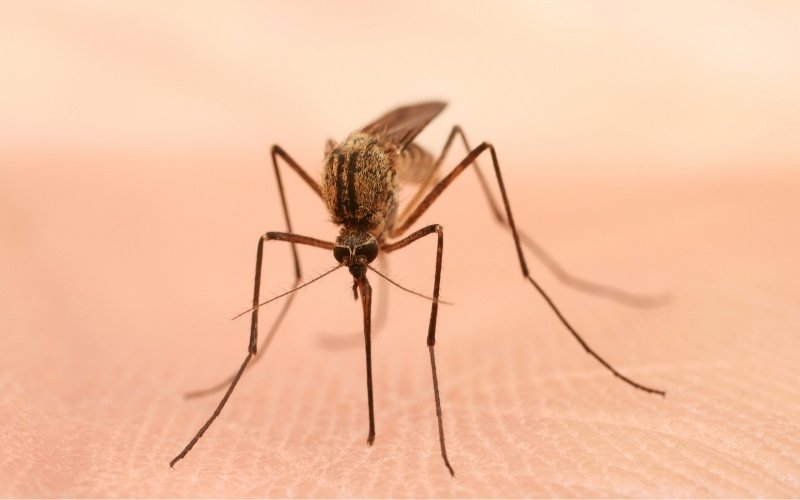
Mosquitoes are probably the most well-known itchy offender, and they’re usually easy to identify.
Appearance: Puffy, red, and very itchy welts that appear randomly across the skin.
Location: Any exposed area of the body, especially during outdoor activities.
Symptoms: Bites are immediately itchy and can swell quite a bit.
Context: You’ll almost always get these after spending time outside, particularly near standing water or in the evening.
Flea Bites: The Low-Riding Leaper
Fleas are a common problem for pet owners, but they can infest any home. They are powerful jumpers and love to feast on ankles and legs.
Appearance: Small, red, sometimes a little bit of a pink hue. They often appear in clusters or groups, similar to bed bugs, but with no specific pattern.
Location: Primarily found on the lower legs, ankles, and feet.
Symptoms: Bites are very itchy and may feel like a pinprick when they happen. However, you may also fail to feel the initial bite, then discover them a few minutes later with a strange tingling sensation, usually on the tops of your bare feet or ankles.
Context: Fleas are often introduced to the home by pets, so check your animals and their bedding if you suspect a flea problem.
Spider Bites: The Unexpected Attacker
Spiders aren’t out to bite you, but they can strike defensively if they feel threatened or get trapped in your clothing or bedding.
Appearance: Usually a single, red welt that can sometimes be accompanied by two tiny puncture marks. Depending on the spider, the bite can range from a small, itchy bump to a larger, more painful wound with blistering.
Location: Anywhere on the body.
Symptoms: The bite can be painful right away, and the area may be accompanied by a burning sensation.
Context: Spiders don’t infest beds or homes in the same way as bed bugs. A spider bite is usually an isolated incident.
When reaching for objects, ensure that you do not reach behind an area to grab something where you cannot see, as often times spiders will be hiding there and bite you. This is also why it’s good to wear gloves when working outside and around brush or firewood.
Ants in Your Pants? Let’s Hope Not
Ants don’t immediately come off as threatening, but try telling that to someone who’s been bit by fire ants.
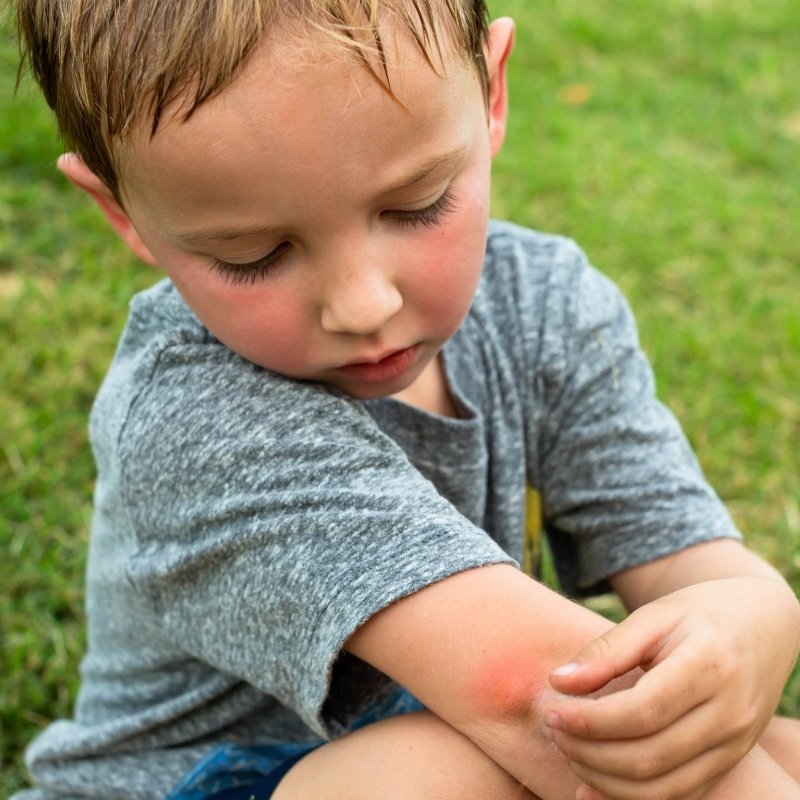
Appearance: Ant bites often present as small, red welts. Bites from fire ants are a specific concern, as they can develop into itchy, pus-filled blisters within 24 hours. The bites may appear in clusters, especially from fire ants, which can sting a victim multiple times.
Location: Bites are most commonly found on the feet, ankles, and lower legs, as this is the area most likely to come into contact with an ant mound.
Symptoms: The sensation can vary from a mild pinch to an immediate, sharp, burning pain, which is characteristic of a fire ant sting. The area around the bite will become itchy, and this itching may last for several days.
Context: Ant bites typically occur when a colony feels threatened or is disturbed. Stepping on or near an ant mound can provoke a swarm, leading to multiple bites at once.
To avoid ants, make sure you leave no trace of food on your kitchen counter, in your car, or in your locker at school.
Quick-Reference Bite Comparison Chart
(scroll left and right in the chart for more info)
Feature
Bed Bug Bites
Mosquito Bites
Flea Bites
Spider Bites
Ant Bites
Pattern
Linear or zigzag (“breakfast, lunch, dinner”)
Random
Clustered, but no specific pattern
Typically a single bite
Small, random, clustered
Location
Exposed skin (arms, neck, face)
Any exposed skin
Lower legs, ankles, feet
Anywhere on the body
Anywhere, feet, ankles
Feeling
Puffy, red, intensely itchy after a day
Immediately itchy, often swells
Itchy, may have a pinprick sensation
Painful, burning sensation at times
Painful, lingering
Context
Bedding, mattress seams, overnight exposure
Outdoors, especially in the evening
Pets, carpets, and pet bedding
Isolated incident, defensive bite
Near ant hills and colonies
If you suspect bed bugs are the cause of your bites, it’s always best to look for other physical evidence and, if necessary, consult with a pest control professional. A bite alone isn’t enough to confirm a bed bug problem, but it’s a great starting point for investigation.