
Category: General Pest Insights

Beyond the usual suspects. Dive into the world of entomology with our insights on invasive pests, recent outbreaks, and fascinating facts about common insects. Expand your knowledge and stay informed about the bugs that impact our world.

  • The Perfect Storm: Record Heat, Mass Travel, and the Summer 2026 Pest Surge

    The Perfect Storm: Record Heat, Mass Travel, and the Summer 2026 Pest Surge

    In the world of urban and structural pest defense, high-density infestations are rarely an accident. They are the mathematical result of specific environmental and human factors overlapping at the exact same time.

    This summer, those factors have aligned into a perfect storm.

    With global heat indexes pushing ambient temperatures well above historical baselines and mass transit networks operating at absolute peak capacity, biological vector pressure across the country has reached a high-water mark. From rapid-cycling bed bug populations to expanding tick territories and invasive agricultural threats, property owners are facing a unique convergence of pest mobility and accelerated reproduction.

    To understand how to protect your home or enterprise, you first have to understand the macro drivers behind this season’s pest surge.

    1. Thermal Acceleration: Why Elevated Temps Equal Explosive Growth

    Insects are ectothermic, meaning their internal metabolic rates and reproductive lifecycles are dictated entirely by ambient external temperatures. When baseline temperatures rise—amplified by global climate trends like a super El Niño, which climate monitoring models at NOAA have linked to global temperature spikes exceeding standard baselines by up to 3°F—the biological clock speeds up dramatically.
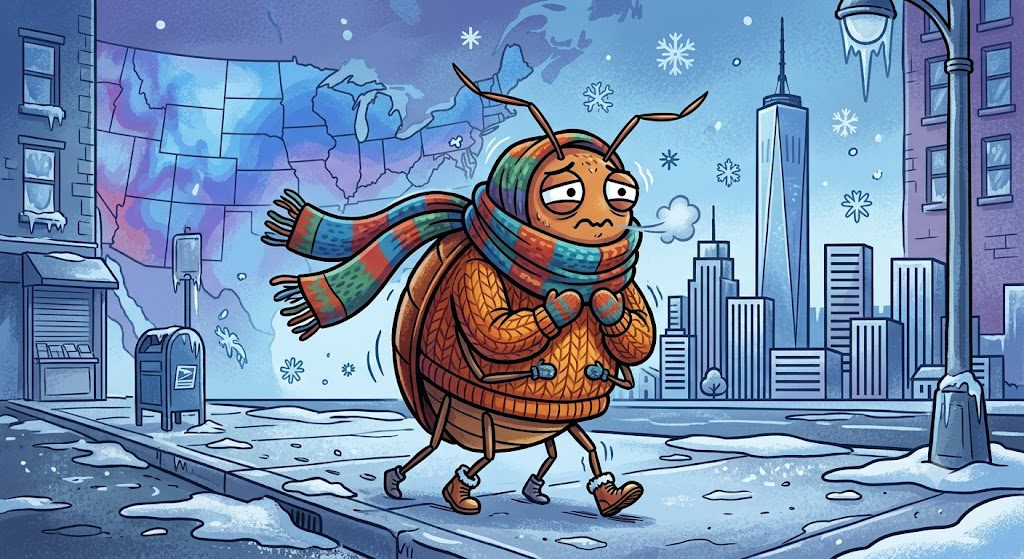
    bed bugs and other pests are ectothermic or cold blooded

    For nuisance and blood-feeding pests like bed bugs (Cimex lectularius), tropical heat is an operational accelerator:

    • Shortened Egg-to-Adult Cycles: Entomological research published through the Journal of Economic Entomology demonstrates that under standard room temperatures (~70°F), a bed bug nymph takes roughly 3 to 5 weeks to mature into a breeding adult. When temperatures consistently sit in the mid-80s to 90s, that lifecycle compresses significantly.
    • Increased Feeding Frequency: Higher metabolic rates demand more frequent blood meals. Pests that might otherwise feed once every seven to ten days begin seeking hosts every two to three days.
    • Rapid Egg Production: Female bed bugs lay eggs faster and in higher quantities when ambient warmth signals optimal survival conditions.

    When you elevate ambient temperatures across an entire region, localized pest populations don’t just grow—they multiply exponentially.

    2. Mass Transit as a Vector Network

    While heat drives the internal population growth of pests, human movement supplies the transport infrastructure.

    Travel activity hit unprecedented levels this summer. According to official passenger volume data from the Transportation Security Administration (TSA), airport checkpoints screened a record-breaking 18.7 million passengers during the July holiday rush alone, and July 23rd marked the busiest day for commercial airlines in history.
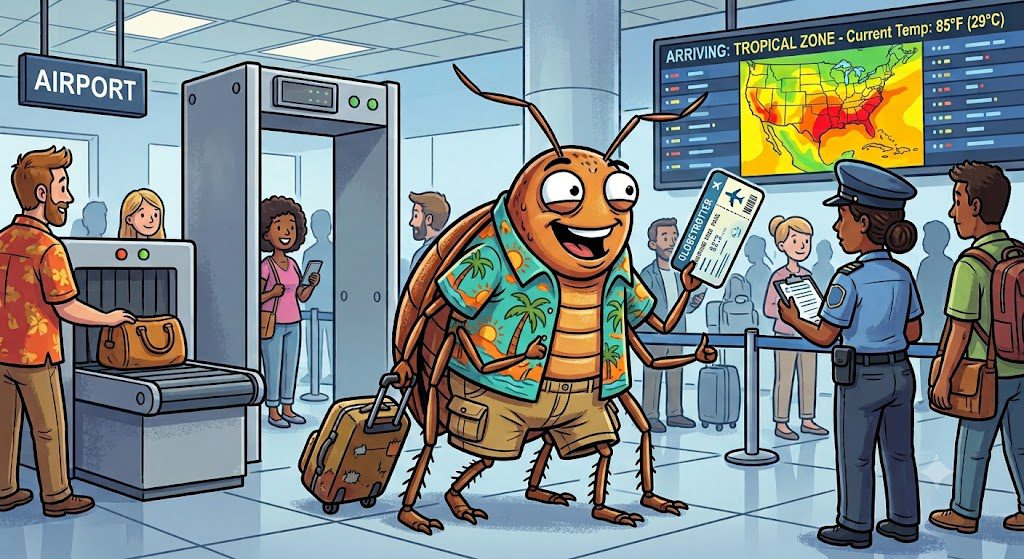
    what record commercial air travel July 23 of 2026 means for public health

    Every packed flight, hotel room, ride-share vehicle, and luggage compartment serves as a high-volume exchange node for hitchhiking pests.

    [Infested Origin Node] ➔ [High-Density Transit (Plane/Bus)] ➔ [Luggage / Clothing] ➔ [Destination Perimeter]
    

    Bed bugs do not fly or jump; they rely entirely on passive transport. When record-breaking human mobility collides with heat-accelerated pest reproduction, the rate of cross-contamination between commercial hospitality spaces and private residences skyrockets. You are no longer just dealing with local pests—you are exposed to hitchhikers picked up three states away.

    3. Beyond the Bedroom: The Expanding Public Health Horizon

    Bed bugs are only one layer of the broader biological picture this season. Environmental disruption, flash flooding, and shifting thermal boundaries are opening doors for several other aggressive vectors across the North American continent:

    • Expanding Tick Territories: Distribution tracking by the Centers for Disease Control and Prevention (CDC) shows the Lone Star tick (Amblyomma americanum) continuing its push farther north and west, bringing with it the threat of Alpha-gal syndrome (the red meat allergy) and tick-borne pathogens.
    • Invasive Agriculture Threats: The USDA Animal and Plant Health Inspection Service (APHIS) recently issued emergency response guidelines following 5 confirmed detections of New World screwworm (Cochliomyia hominivorax) in Texas livestock—a stark reminder of how quickly flesh-eating parasitic vectors can re-emerge when containment protocols break down.

    screwworm top 5 confirmed cases in texas
    • Waterborne & Flood-Driven Outbreaks: Heavy seasonal storms and localized flash flooding create stagnant water reserves, driving spikes in mosquito populations and waterborne agricultural pathogens like Cyclospora, as monitored by public health surveillance teams at the FDA.

    4. Operational Defense: How to Secure Your Perimeter

    Chemical-only treatments are increasingly running into resistance issues as pest strains evolve. To stop heat-accelerated, transit-borne pests from establishing a foothold in your space, you have to employ a layered mechanical and physical defense protocol.

    A. The Post-Travel Containment Zone

    Never bring luggage directly into carpeted bedrooms or living quarters after traveling:

    1. Isolate at the Door: Unpack luggage in a garage, utility room, or on hard surface floors (tile or concrete) where hitchhikers can be easily spotted.
    2. Thermal Destruction: Run all travel clothing—clean or dirty—through a high-heat dryer cycle for at least 30 to 45 minutes. Thermal research confirms ambient heat above 120°F kills all life stages of bed bugs, including eggs, instantly.
    3. Vacuum & Seal Bags: Vacuum hard-shell luggage seams and store soft bags inside sealed polyethylene storage bins.

    sealing a window for biting insect pest prevention all season

    B. Structural Hardening

    Take away the entry points and harborages that pests use to transition from the outdoors inside:

    • Seal Envelope Penetrations: Use silicone caulk or copper mesh to seal expansion joints, utility pipe penetrations, and door sweeps.
    • Manage Exterior Moisture: Eliminate standing water within 50 feet of your structure to disrupt mosquito and tick harborage zones.
    • Deploy Physical Barriers: Utilize high-grade mattress encasements and mechanical interceptor traps under bed posts to catch wandering pests before they reach a host.

    Winning the War on the Ground

    Defensive End! BLITZ Natural and Safe Bed Bug and Ant Killer Repellent Spray

    The macro environmental factors—the heat, the travel records, and the shifting pest ranges—aren’t going anywhere. But an explosion in regional pest activity does not have to turn into an infestation inside your walls.

    By understanding the biology of the threat and enforcing strict mechanical barriers, you take away their tactical advantage. Stop waiting for pests to settle in—fortify your perimeter, audit your travel protocols, and keep your space locked down.

    Defend your turf. Deploy absolute control with Defensive End! BLITZ.
  • Four New Notorious Invasive Pests in the US and Why They’re Spreading

    Four New Notorious Invasive Pests in the US and Why They’re Spreading

    While most people are familiar with common household pests, a new class of threat is emerging: invasive species that can cause widespread damage to agriculture, wildlife, and even human health.

    These pests aren’t just a problem in faraway places—they’re appearing in our own backyards due to a perfect storm of climate change and global travel.

    Understanding these new threats can help you be more vigilant about all pests, from the uncommon to the common, like bed bugs.

    New Pest Outbreaks and Invasive Species in the US

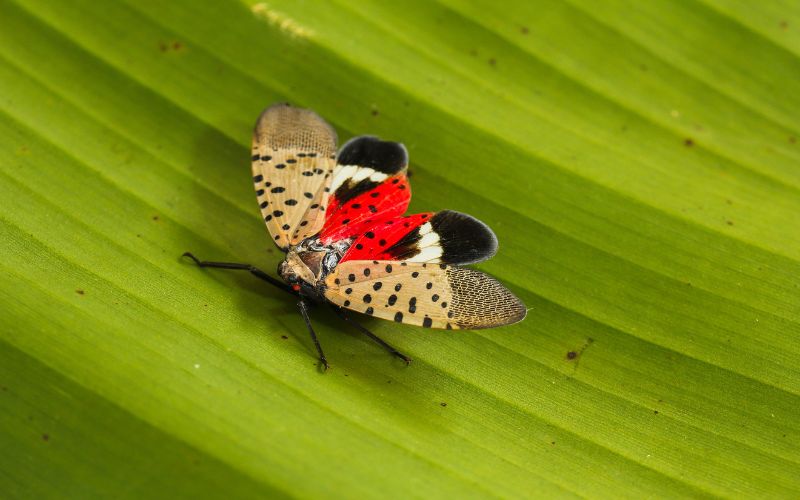
    spotted lantern fly invasion of US

    1. The Spotted Lanternfly

    Originating in East Asia, the spotted lanternfly is a visually striking but devastating pest. It feeds on over 70 species of plants, including valuable crops like grapes, apples, and maple trees.

    The insect’s rapid spread is fueled by its ability to hitchhike on vehicles and cargo. As it feeds, it excretes a sugary substance called “honeydew” that promotes the growth of black sooty mold, which can kill plants and create a sticky, messy problem in yards and public spaces.

    2. The Asian Longhorned Tick

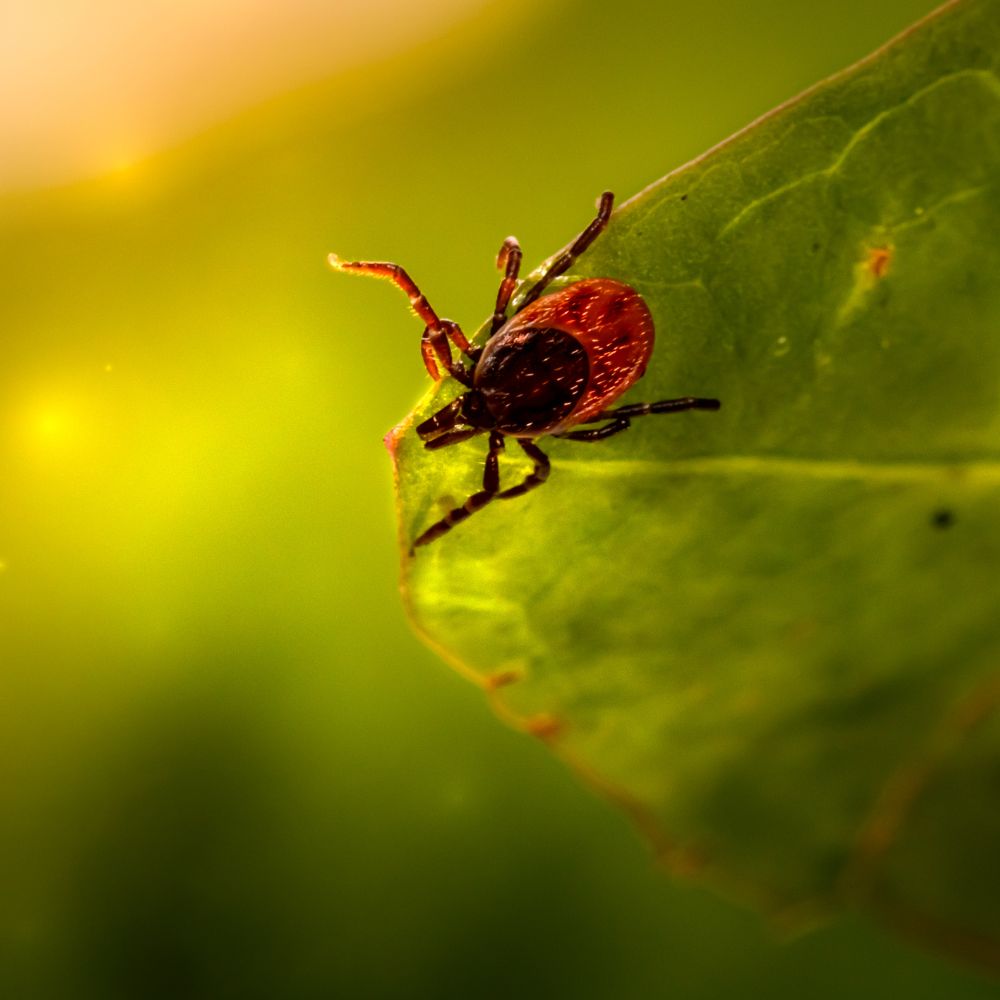
    First discovered in New Jersey in 2017, the Asian longhorned tick has now been confirmed in over 20 states, including Tennessee. This tick is a major concern because it can reproduce asexually, meaning a single female can lay up to 2,000 eggs without a male. This incredible reproductive ability allows it to establish huge populations very quickly on a single animal.

    While its primary host is livestock, causing severe blood loss and economic damage, it will also feed on pets, wildlife, and humans. It is now being studied to determine its potential role in transmitting diseases to humans in the U.S.

    New Notorious Invasive Pests in the US and Why They're Spreading

    3. The New World Screwworm

    Considered eradicated from the United States since the 1960s, the New World screwworm made a shocking return in a 2016 Florida outbreak. These are not typical maggots; screwworm larvae feed on the living flesh of warm-blooded animals, including livestock and wildlife.

    They lay their eggs in open wounds, and the resulting infestation can be fatal if left untreated. The resurgence of this pest, which was controlled for decades with a sterile insect technique, highlights how easily invasive species can re-enter and establish themselves in a new environment, especially with increased global travel and climate shifts.

    Fortunately, the USDA is not taking this threat lightly, recently moving to set up a new dedicated center in Texas to make a counter-assault against these pests and neutralize the threat.

    4. The Kissing Bug

    YouTube player

    Also known as the triatomine bug, the kissing bug is a nocturnal insect that has become a growing concern in the Southwest, particularly in states like Texas. It gets its name from its habit of biting people on the face, usually around the mouth, while they sleep.

    The real danger lies in the parasite it carries in its feces, which can transmit Chagas disease. While not everyone who is bitten will become infected, the disease can cause severe health complications years or even decades later.

    Cases have been confirmed in dogs and, more rarely, in humans in Texas, Louisiana, and other southern states.

    The Broader Lesson for Pest Management

    The rise of these pests demonstrates that no environment is safe from new threats. The common thread among these species is their resilience and ability to spread through human activity.

    Being educated about these issues is the first step in protecting your home and family, whether you’re dealing with a new invasive species or a classic pest like a bed bug. A proactive approach, including prevention and having effective solutions on hand, is always the best defense.

  • The Playbook to Protect Your Kids from Lice and Mites this School Year

    The Playbook to Protect Your Kids from Lice and Mites this School Year

    The school bell is ringing, and kids are rushing back to class. But as you stock up on new notebooks and backpacks, there’s another kind of back-to-school preparation you need to make—one for the pests that might try to hitch a ride home.

    Stop a Back-to-School Pest Problem Before it Starts

    Think of yourself as the defensive end for your home. Your job is to spot the threats, execute a solid game plan, and tackle anything that tries to get past your line of defense.

    We’re talking about bed bugs, lice, and mites. Don’t worry, with a little preparation, you can keep your home a pest-free zone.

    Huddle Up: Know Your Opponents

    Before you can stop them, you need to know what you’re looking for. These pests are experts at staying out of sight, so a little reconnaissance goes a long way.

    • Lice: Head lice are tiny, wingless insects that live on the scalp. The most common sign is intense itching. While the adult lice are hard to spot, their eggs, called “nits,” are much easier to find. Nits are tiny, yellowish-white ovals glued to the hair shaft, often found behind the ears and at the nape of the neck. Unlike dandruff, they won’t flake off.
    • Mites: Mites like chiggers or scabies can also be a concern. Chiggers leave itchy, reddish welts, often where clothing is tight. Scabies mites burrow into the skin, causing an intensely itchy rash. If your child has a persistent, unexplained rash, it’s always a good idea to consult a doctor.
    • Bed Bugs: These aren’t just in beds. They are small, reddish-brown, oval-shaped insects about the size of an apple seed. They’re notorious hitchhikers and can cling to backpacks, clothes, bus seats, and lunchboxes. Look for tiny, dark spots (feces) on fabric, small blood stains, or a sweet, musty odor. The bites often appear as itchy, red welts in a line or cluster.

    Additionally, you cannot rely on your child’s school to proactively check all students’ heads for lice, since many school districts have moved to less aggressive forms of prevention and education.

    back to school parenting tips for lice and mites

    The Game Plan: Your Ultimate Defensive Strategy Against Lice, Mites, and Parasites

    Your best defense is a proactive approach. By building these habits into your back-to-school routine, you can intercept pests before they ever get inside.

    1. The “Drop-and-Roll”: As soon as your child gets home, have them remove their backpack and shoes. Don’t let them drop their stuff on the bedroom floor or on upholstered furniture. The best place for these items is in a dedicated spot like a mudroom or garage.
    2. Laundry Day Blitz: When clothes, jackets, and gym bags come home, wash and dry them on the highest heat the fabric allows. High heat is a powerful weapon against bed bugs and lice, killing them and their eggs.
    3. Daily Inspection: Take a minute each day to inspect your child’s backpack and lunchbox. Check the seams, zippers, and crevices for any signs of pests. A quick shake-out over a garbage can is an easy way to dislodge any unwelcome visitors. Take a comb or brush and carefully and slowly go through your child’s scalp, inspecting for tiny lice or small white specks that move.
    4. The Locker Room Huddle: Talk to your kids about not sharing hats, helmets, scarves, or other personal items with friends. Head-to-head contact is the primary way lice spread, and this simple chat can make a huge difference.

    Video: How to Treat and Prevent Head Lice

    YouTube player

    The BLITZ: Your Final Play

    Sometimes, despite your best efforts, you might get a warning signal—a suspicious spot, a series of itchy bites, or a notice from the school. This is when it’s time to BLITZ the problem directly.

    For non-washable items like backpacks, beds, or furniture, a direct defensive play is needed. That’s where Defensive End! BLITZ bed bug spray comes in. Our specialized formula is your go-to solution for targeting and neutralizing pests on contact, while leaving a residual barrier behind.

    elementary age kids enter a school building.jpg

    Apply it to the seams of beds, bed frames, backpacks, the insides of shoes, and other items that can’t go in the wash. It’s the final line of defense to ensure any unwelcome visitors are taken out before they have a chance to score.

    With a strong game plan and the right tools, you can play defensive end for your family and win the back-to-school battle against bed bugs, lice, and mites.

  • The Safety of Pyrethrins in Pest Control: A Balanced Perspective

    The Safety of Pyrethrins in Pest Control: A Balanced Perspective

    Pyrethrins are natural insecticides derived from the flowers of the chrysanthemum plant. They are widely used in pest control due to their effectiveness against various insects, including mosquitoes, flies, and agricultural pests.

    However, while pyrethrins are often praised for their rapid action and relatively low toxicity to humans and pets, it is vital to consider both their advantages and potential drawbacks. This blog post aims to provide a fair and balanced take on the safety of pyrethrins for pest control applications.

    Uses and Benefits of Pyrethrins

    One of the most significant benefits of pyrethrins is their fast-acting nature. When applied, they rapidly disrupt the nervous systems of insects, leading to quick paralysis and death. This makes them a favorable option for those seeking immediate results in controlling pest populations.

    Moreover, due to their natural origins, pyrethrins are often favored in organic farming practices, aligning with the increasing consumer demand for environmentally friendly pest control solutions.

    Another advantage is that pyrethrins typically have lower toxicity levels for humans and pets compared to synthetic insecticides. When used according to label directions, pyrethrins pose minimal risks to non-target organisms. Additionally, they break down quickly in the environment, reducing the likelihood of long-term ecological impact.

    Risks and Negative Side Effects of Pyrethrin

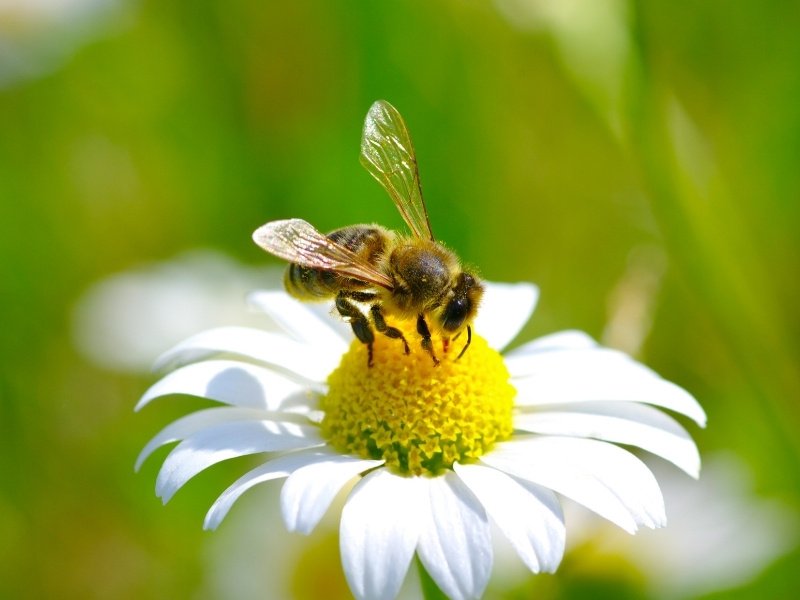
    Despite the numerous benefits, there are valid concerns regarding the use of pyrethrins. One significant issue is their potential impact on beneficial insects, such as pollinators. Although pyrethrins may target specific pests, they can inadvertently harm bees and other non-target species, disrupting ecosystems and agricultural productivity.

    pyrethrins may be harmful to pollinator insect populations that help humans produce food like bees

    Furthermore, overreliance on pyrethrins can lead to resistance among pest populations. Insects adapted to survive pyrethrin exposure may proliferate more quickly, resulting in a cycle where higher concentrations are needed for effective control. This could ultimately lead pest control practitioners to revert to more harmful synthetic insecticides.

    Additionally, some individuals may experience allergic reactions to pyrethrins when exposed to treated areas. Symptoms can range from skin irritations to respiratory issues, making it essential for applicators and bystanders to take appropriate precautions during treatment.

    Symptoms of Pyrethrin Poisoning

    On a side note, we purposefully avoided pyrethrin as an ingredient when formulating Defensive End! BLITZ for these reasons, especially the potential negative effect on pollinators and skin irritation with users.

    Conclusion: A Balanced View on Pyrethrin Use

    In conclusion, while pyrethrins offer several benefits as a natural insecticide, it is crucial to approach their use with careful consideration of potential pyrethrin risks. Their rapid effectiveness and lower toxicity make them appealing for pest control, but awareness of their impact on beneficial insects and the risk of pest resistance is necessary.

    Ultimately, when implemented responsibly and judiciously, pyrethrins can be part of an effective integrated pest management strategy that balances human safety with environmental health.


  • Decoding Your Itch: Bed Bug vs. Mosquito, Flea, Ant, and Spider Bites

    Decoding Your Itch: Bed Bug vs. Mosquito, Flea, Ant, and Spider Bites

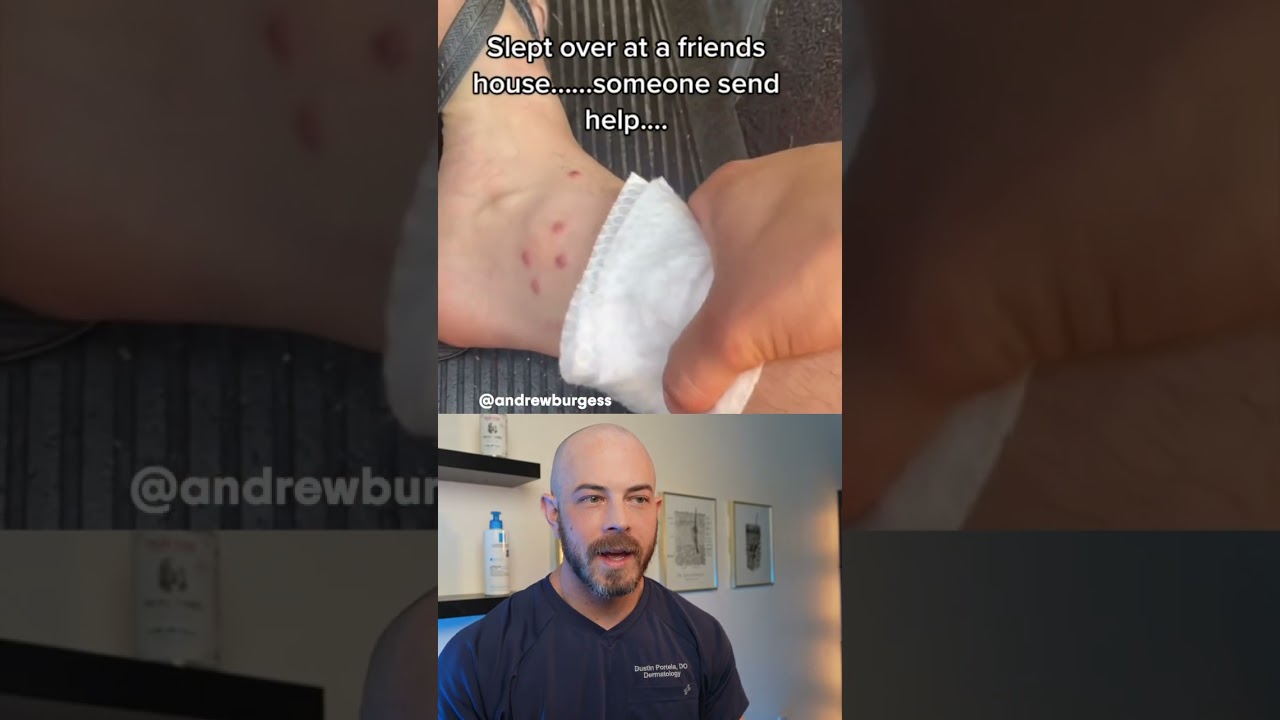
    Waking up with a mysterious new itch is a frustrating experience. Was it a mosquito? A spider? Or, is it something more sinister—like a bed bug?

    Identifying the culprit behind your bites can be tough, as many insect reactions look and feel similar. However, by paying close attention to the details of the bites and the context in which they appear, you can become a better detective.

    What Just Bit Me?

    Here’s a guide to help you distinguish between the most common bites and figure out what’s really going on.

    YouTube player

    Bed Bug Bites: The Stealthy Sucker

    Bed bugs are masters of stealth, often leaving their mark while you’re fast asleep.

    • Appearance: Small, red, itchy welts that often appear in a linear or zigzag pattern. This “breakfast, lunch, and dinner” pattern is one of the biggest clues.
    • Location: Typically found on exposed skin, such as your arms, neck, face, and hands.
    • Symptoms: The bites themselves are often painless at first, but they develop into an intensely itchy rash over a day or two.
    • Context: Check your bedding, mattress seams, and headboard for other major signs of possible bed bugs, like small, reddish-brown stains or tiny black fecal spots.

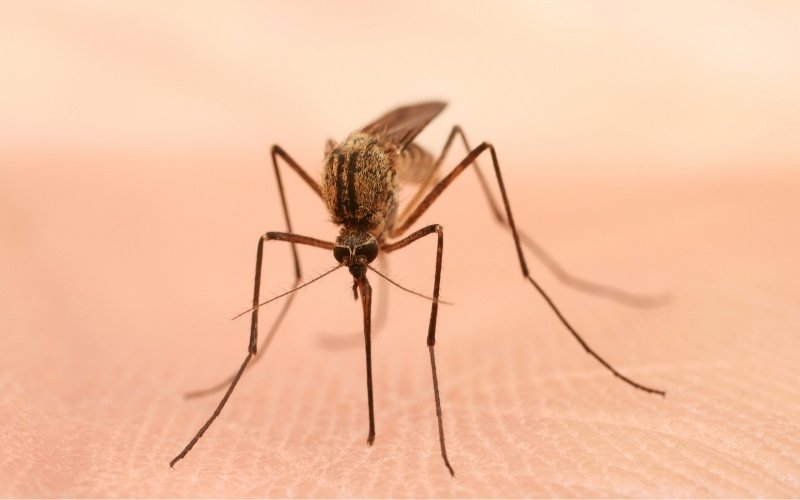
    Mosquito Bites: The Outdoor Opportunist

    a mosquito bites a person's skin and sucks blood

    Mosquitoes are probably the most well-known itchy offender, and they’re usually easy to identify.

    • Appearance: Puffy, red, and very itchy welts that appear randomly across the skin.
    • Location: Any exposed area of the body, especially during outdoor activities.
    • Symptoms: Bites are immediately itchy and can swell quite a bit.
    • Context: You’ll almost always get these after spending time outside, particularly near standing water or in the evening.

    Flea Bites: The Low-Riding Leaper

    Fleas are a common problem for pet owners, but they can infest any home. They are powerful jumpers and love to feast on ankles and legs.

    • Appearance: Small, red, sometimes a little bit of a pink hue. They often appear in clusters or groups, similar to bed bugs, but with no specific pattern.
    • Location: Primarily found on the lower legs, ankles, and feet.
    • Symptoms: Bites are very itchy and may feel like a pinprick when they happen. However, you may also fail to feel the initial bite, then discover them a few minutes later with a strange tingling sensation, usually on the tops of your bare feet or ankles.
    • Context: Fleas are often introduced to the home by pets, so check your animals and their bedding if you suspect a flea problem.

    Spider Bites: The Unexpected Attacker

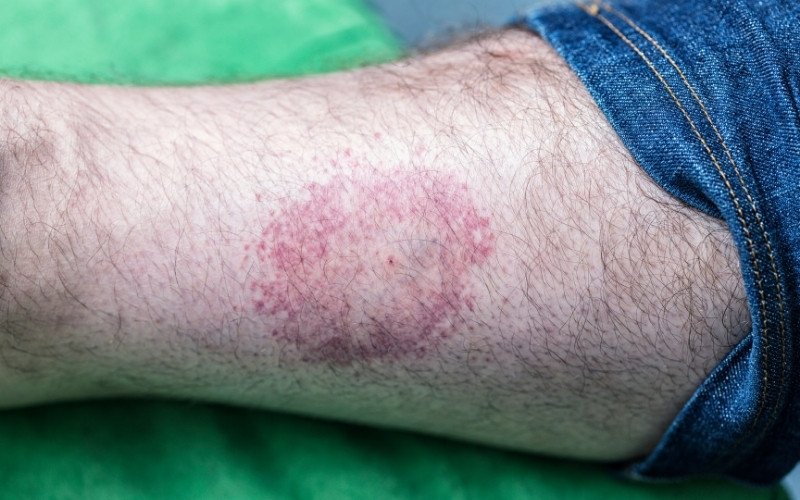
    spider bite appearance with surrounding rash

    Spiders aren’t out to bite you, but they can strike defensively if they feel threatened or get trapped in your clothing or bedding.

    • Appearance: Usually a single, red welt that can sometimes be accompanied by two tiny puncture marks. Depending on the spider, the bite can range from a small, itchy bump to a larger, more painful wound with blistering.
    • Location: Anywhere on the body.
    • Symptoms: The bite can be painful right away, and the area may be accompanied by a burning sensation.
    • Context: Spiders don’t infest beds or homes in the same way as bed bugs. A spider bite is usually an isolated incident.

    When reaching for objects, ensure that you do not reach behind an area to grab something where you cannot see, as often times spiders will be hiding there and bite you. This is also why it’s good to wear gloves when working outside and around brush or firewood.

    Ants in Your Pants? Let’s Hope Not

    Ants don’t immediately come off as threatening, but try telling that to someone who’s been bit by fire ants.

    • Appearance: Ant bites often present as small, red welts. Bites from fire ants are a specific concern, as they can develop into itchy, pus-filled blisters within 24 hours. The bites may appear in clusters, especially from fire ants, which can sting a victim multiple times.
    • Location: Bites are most commonly found on the feet, ankles, and lower legs, as this is the area most likely to come into contact with an ant mound.
    • Symptoms: The sensation can vary from a mild pinch to an immediate, sharp, burning pain, which is characteristic of a fire ant sting. The area around the bite will become itchy, and this itching may last for several days.
    • Context: Ant bites typically occur when a colony feels threatened or is disturbed. Stepping on or near an ant mound can provoke a swarm, leading to multiple bites at once.

    To avoid ants, make sure you leave no trace of food on your kitchen counter, in your car, or in your locker at school.

    Quick-Reference Bite Comparison Chart

    (scroll left and right in the chart for more info)

    FeatureBed Bug BitesMosquito BitesFlea BitesSpider BitesAnt Bites
    PatternLinear or zigzag (“breakfast, lunch, dinner”)RandomClustered, but no specific patternTypically a single biteSmall, random, clustered
    LocationExposed skin (arms, neck, face)Any exposed skinLower legs, ankles, feetAnywhere on the bodyAnywhere, feet, ankles
    FeelingPuffy, red, intensely itchy after a dayImmediately itchy, often swellsItchy, may have a pinprick sensationPainful, burning sensation at timesPainful, lingering
    ContextBedding, mattress seams, overnight exposureOutdoors, especially in the eveningPets, carpets, and pet beddingIsolated incident, defensive biteNear ant hills and colonies

    If you suspect bed bugs are the cause of your bites, it’s always best to look for other physical evidence and, if necessary, consult with a pest control professional. A bite alone isn’t enough to confirm a bed bug problem, but it’s a great starting point for investigation.